0000-00
How to Choose a Heavy-Duty Lowbed Trailer for Construction Machinery
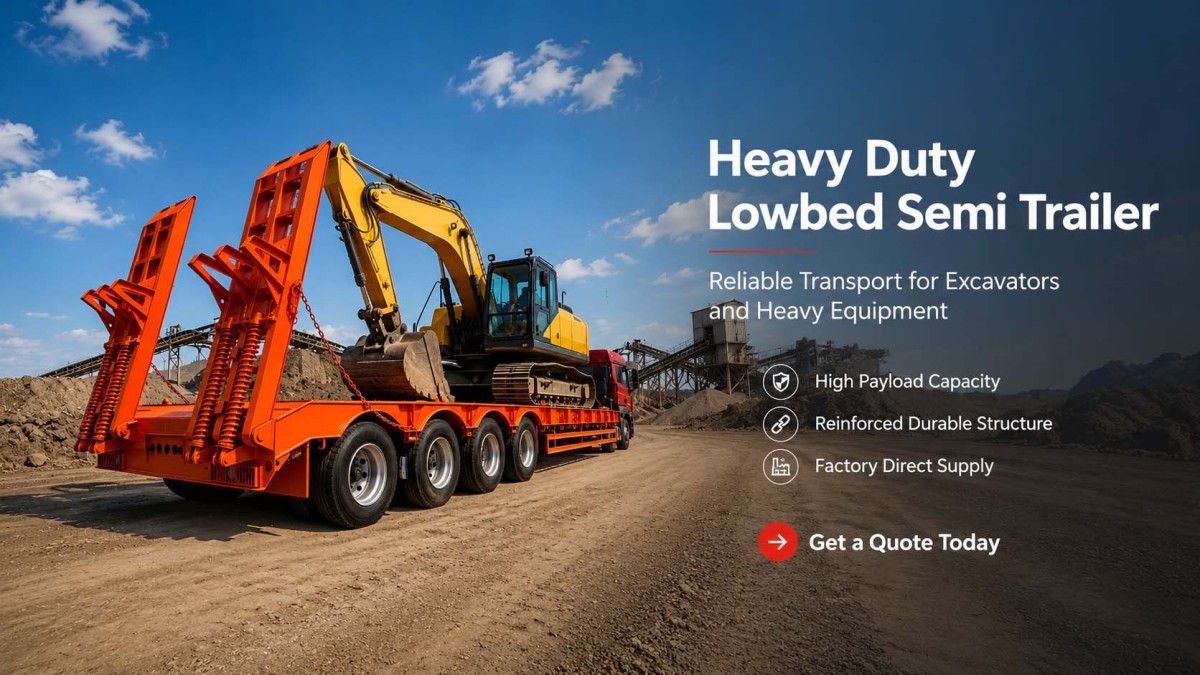
Transporting large-scale engineering equipment requires robust infrastructure. Selecting the ideal heavy-duty lowbed trailer is a critical operational decision that directly influences transport safety, regulatory compliance, and mechanical longevity. For logistics operators moving excavators, bulldozers, and crawler cranes, a high-quality lowbed trailer for construction machinery must withstand immense dynamic stress while maintaining a low center of gravity. In this professional engineering guide, ZW Vehicle Group breaks down the foundational technical metrics required to align your heavy haul transport trailer specifications with your specific fleet demands.
1. Analyze Payload Profile and Weight Distribution Metrics
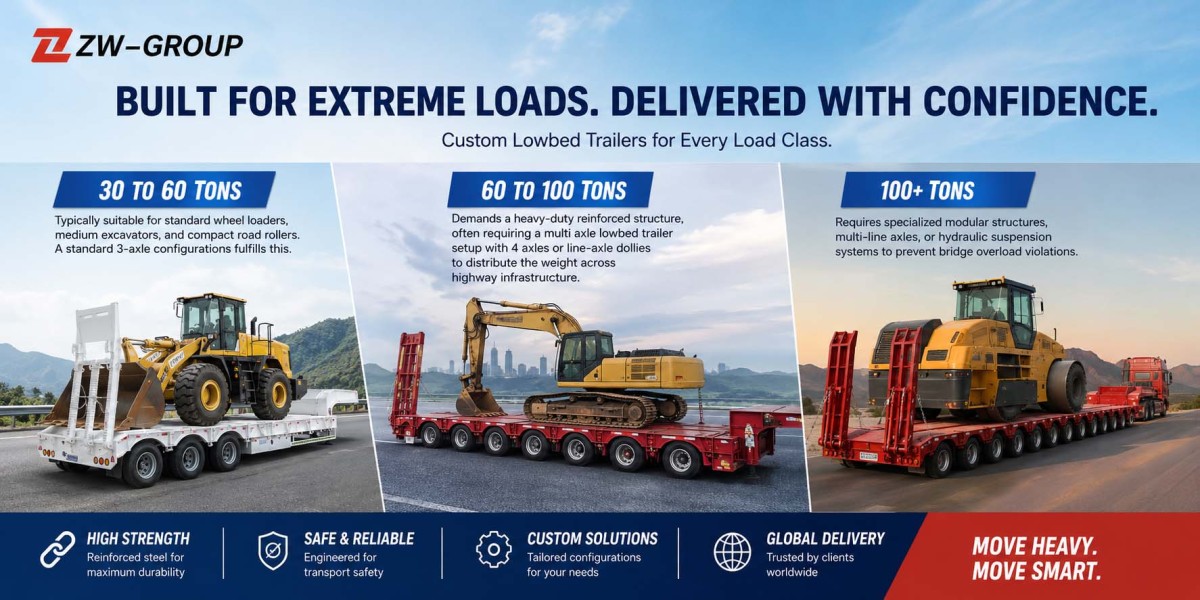
The foremost technical criterion for choosing a lowboy trailer specifications layout is the maximum concentrated load capacity. Construction machinery exhibits unique weight distributions; for example, a hydraulic excavator concentrates its massive weight via its crawler tracks into a narrow contact area. When reviewing a heavy haul transport trailer, you must calculate both the static gross weight and the dynamic impact factor during transit.
- 30 to 60 Tons: Typically suitable for standard wheel loaders, medium excavators, and compact road rollers. A standard 3-axle configurations fulfills this.
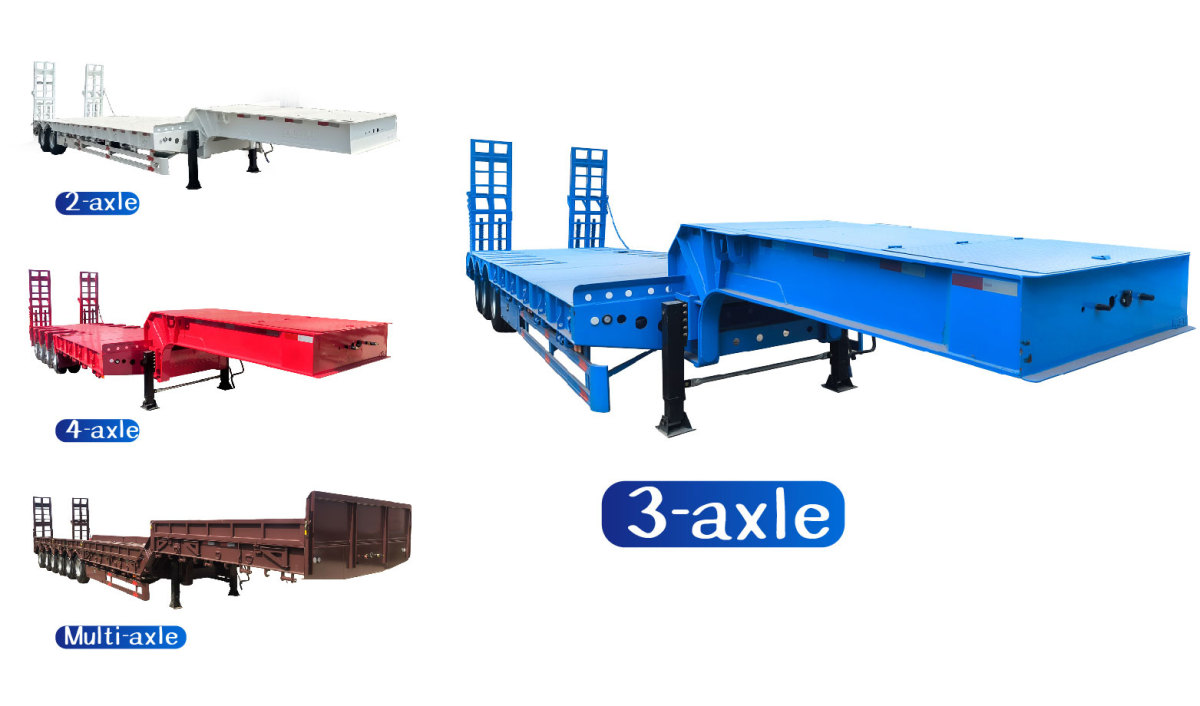
- 60 to 100 Tons: Demands a heavy-duty reinforced structure, often requiring a multi axle lowbed trailer setup with 4 axles or line-axle dollies to distribute the weight across highway infrastructure.
100+ Tons: Requires specialized modular structures, multi-line axles, or hydraulic suspension systems to prevent bridge overload violations.
2. Selecting the Optimal Gooseneck Configuration
The gooseneck structure links the tractor unit fifth-pin to the trailer main deck. Choosing the right design dictates how machinery will be loaded onto the lowbed semi-trailer.
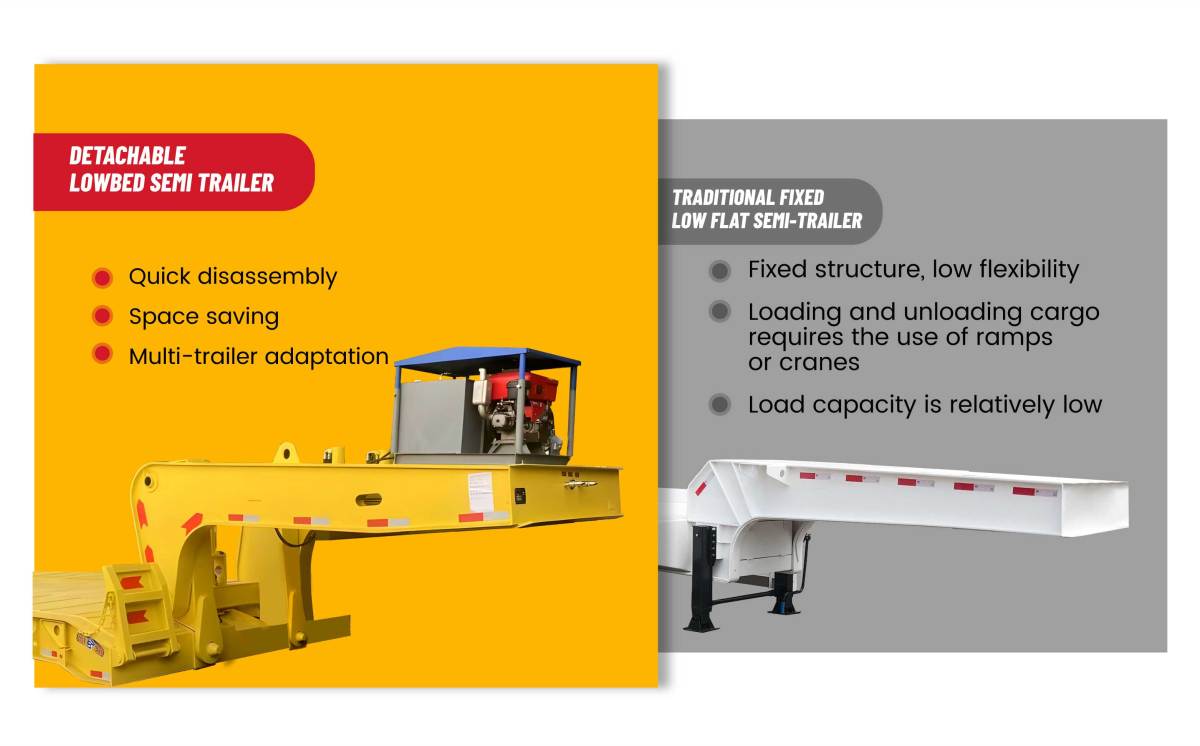
Fixed Gooseneck vs. Detachable Gooseneck Trailer (RGN)
Standard lowbed trailers utilize a fixed gooseneck, forcing machinery to climb up from the rear via heavy ramps. However, for specialized or top-heavy machinery, a detachable gooseneck trailer provides unparalleled safety. By detaching the front neck from the main deck, the trailer drops to the ground, serving as its own ultra-low incline ramp. This allows crawler cranes and disabled heavy industrial machinery to drive straight onto the low deck from the front surface, minimizing rollover hazards.
3. Dimensional Engineering: Working Deck Height and Width Extension
Clearance constraints under bridges and overhead power lines dictate the absolute necessity of minimizing deck height. A premium lowbed trailer for construction machinery balances structural ground clearance with overall load height limit regulations.
Standard deck heights range from 850mm to 1250mm. Lower heights improve stability during high-speed cornering by lowering the load center of gravity. For wide excavators that exceed standard lane dimensions, look for lowbed trailers engineered with extendable outriggers (side brackets). These heavy-duty structural swing-out arms can expand the working deck width from 2.5 meters to 3.0 meters or more, providing stable lateral footprint support for oversized track widths.
4. Axle Systems and Suspension Structural Integrity
The axle assembly bears the structural brunt of heavy machinery hauling. At ZW Vehicle Group, we emphasize utilizing heavy-duty mechanical leaf spring suspensions or advanced air ride suspension models. When configuring a multi axle lowbed trailer, choosing high-tier brands like BPW or FUWA with 13-ton to 20-ton capacities ensures adequate safety tolerances against thermal fatigue and unexpected road potholes.
For operations involving complex mining terrains or tight municipal radiuses, steerable axles or hydraulic steering layouts should be specified. These active steering systems reduce tire scrub significantly and prevent structural twisting stress along the main longitudinal beam web plates.
5. Ramp Designs: Mechanical vs. Hydraulic Lowbed Semi Trailer Ramps
Loading rear-access trailers demands reliable ramp engineering. The choice comes down to manual-mechanical convenience versus professional heavy-duty automated hydraulic power.
A standard mechanical ramp uses integrated heavy-return springs, requiring manual effort to lower and lift. This is efficient for fleet operators managing lighter equipment. Conversely, a hydraulic lowbed semi trailer features dedicated high-pressure cylinders powered by an independent diesel engine power pack or tractor PTO. These hydraulic systems lift and lower multi-section folding ramps smoothly, accommodating heavy crawler loads up to 80 tons with zero physical strain on operators, ensuring swift and safe loading workflows at construction sites.
Conclusion: Choose a Manufacturer with Tailored Engineering Expertise
Every construction fleet has distinct operating profiles. Buying an off-the-shelf trailer without checking main beam steel grades (such as high-tensile HG60 or Q345B steel) can lead to permanent structural deformation or dangerous beam sagging. ZW Vehicle Group specializes in crafting custom-engineered heavy-duty lowbed trailer options configured precisely for global infrastructure projects. Partner with our engineering experts to select the ultimate combination of payload structural capacity, advanced gooseneck versatility, and safe mechanical ramp configurations.
NAVIGATION
MESSAGE
Request A Quote?

* In order to respond to you quickly and accurately, please ensure that your contact information is accurate. For phone/WhatsApp calls, please include your country code. Thank you very much!