‹
›
‹
›
Overview
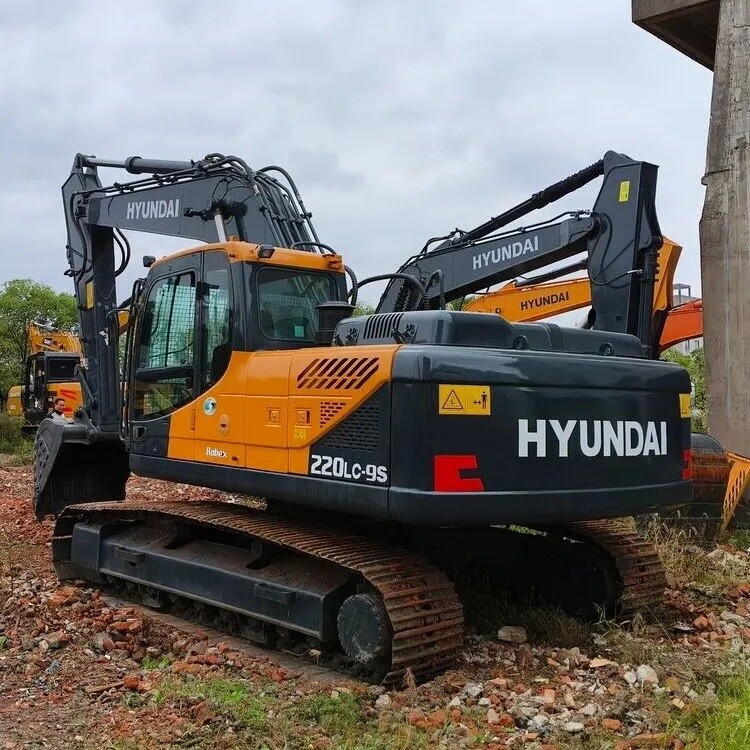
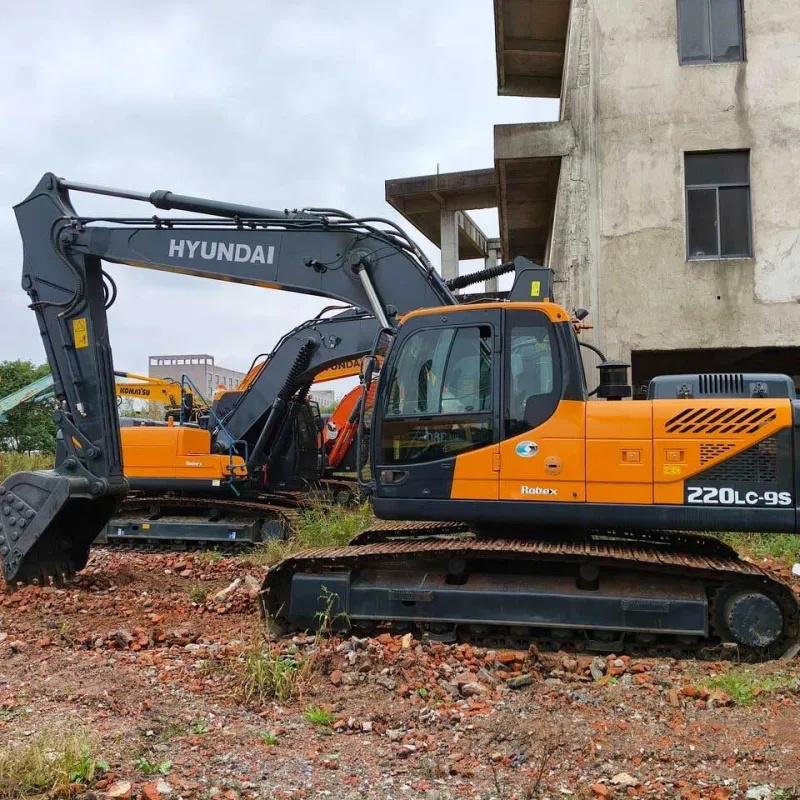
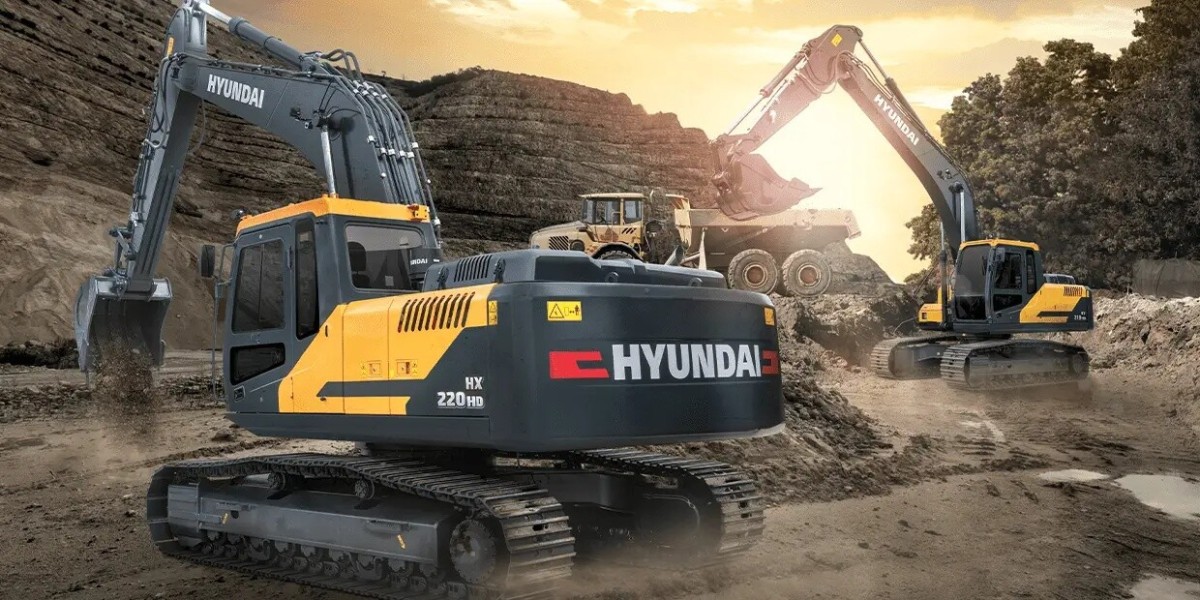
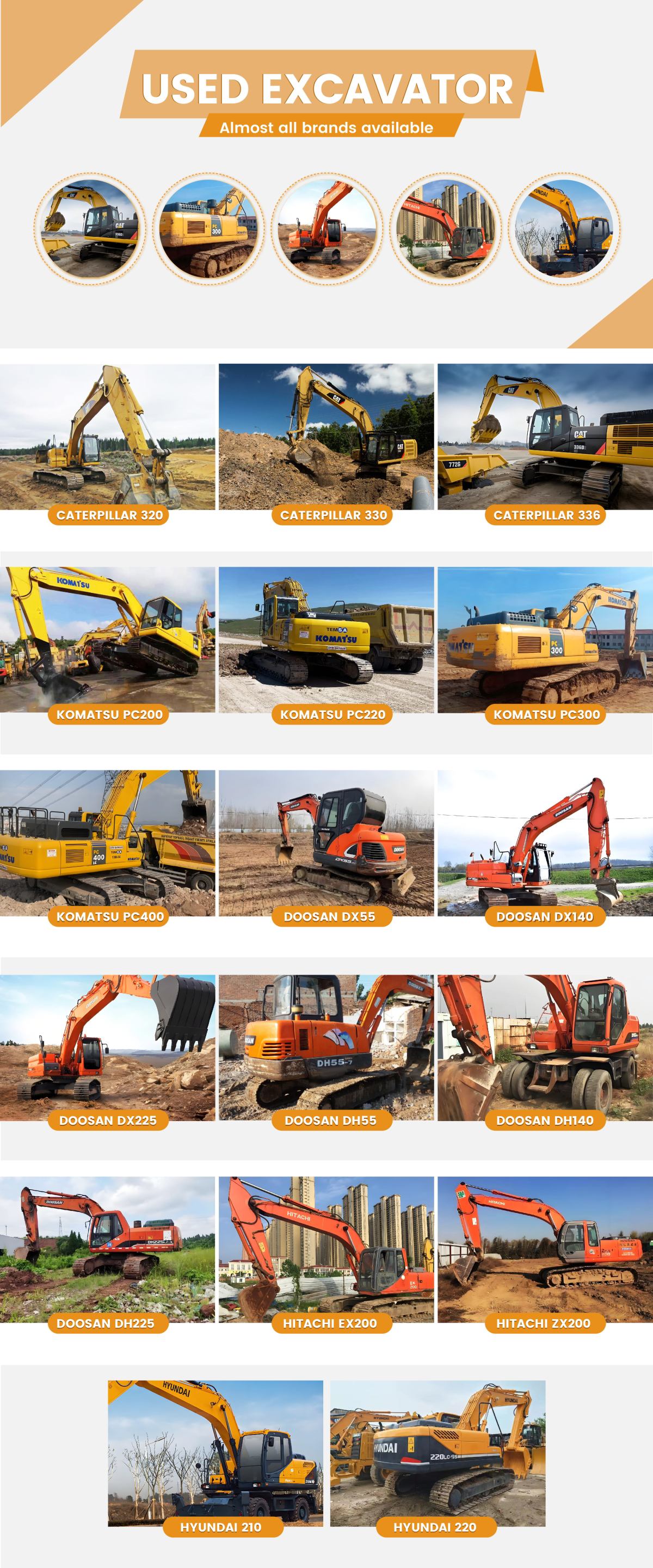
The Used Hyundai Excavator 220 is a versatile heavy machine widely used in construction, infrastructure and utility work. As a reliable mid‑sized hydraulic excavator from Hyundai's proven family of models, it balances digging power, reach and maneuverability, making it a practical choice for contractors, rental fleets and municipal buyers seeking durable used equipment. This detailed guide provides an expert perspective on functionality, inspection priorities, applications, and purchase considerations specific to a used Hyundai excavator, with emphasis on maximizing uptime and lifecycle value.
Who benefits from this guide
General contractors and site managers evaluating used excavators for ongoing projects.
Rental companies that require cost‑effective machines with predictable maintenance needs.
Procurement teams and fleet owners comparing long‑term operating costs across models.
Equipment brokers and resellers who need inspection checklists and market insights.
Key Features and Functional Strengths
A used Hyundai excavator like the 220 model offers a set of attributes that are particularly useful on medium to large jobsites. Understanding these strengths helps buyers align machine selection with project demands.
Hydraulic performance and control
Hyundai machines are known for balanced hydraulic systems that provide smooth bucket and arm operation, responsive swing control and simultaneous multi‑function performance. For a used Hyundai excavator, verify that the hydraulic response remains consistent under load and that there are no hesitation or stuttering issues during combined functions.
Structural integrity and undercarriage
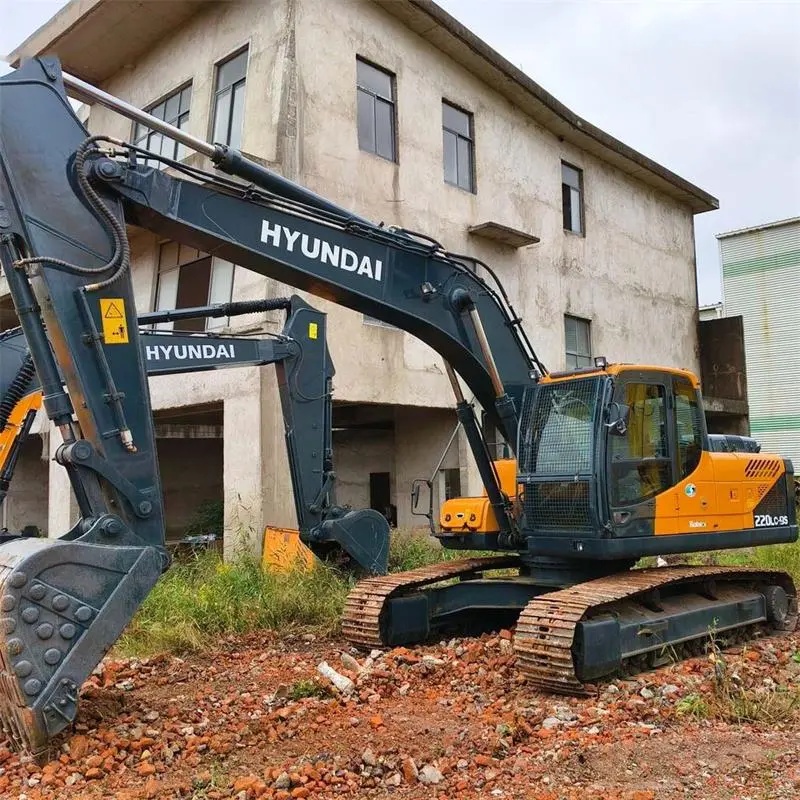
The structural frame, boom, stick and undercarriage are core determinants of residual life. The 220 class typically features a robust boom design and a reinforced undercarriage suited for frequent travel over rough terrain. A thorough visual and hands‑on inspection of welds, pins, bushings and track condition is essential when assessing a used Hyundai excavator.
Operator comfort and controls
Good cab ergonomics reduce fatigue and increase productivity. For a used Hyundai excavator, check seat condition, joystick responsiveness, HVAC function and visibility. Properly functioning controls are critical for precision tasks such as trenching and grading.
Serviceability and parts availability
Hyundai supports a broad parts network in many regions, and used Hyundai excavator owners typically find availability for common wear items like buckets, pins, seals and filters. Confirm local dealer or aftermarket parts access to minimize downtime after purchase.
Applications and Typical Use Cases
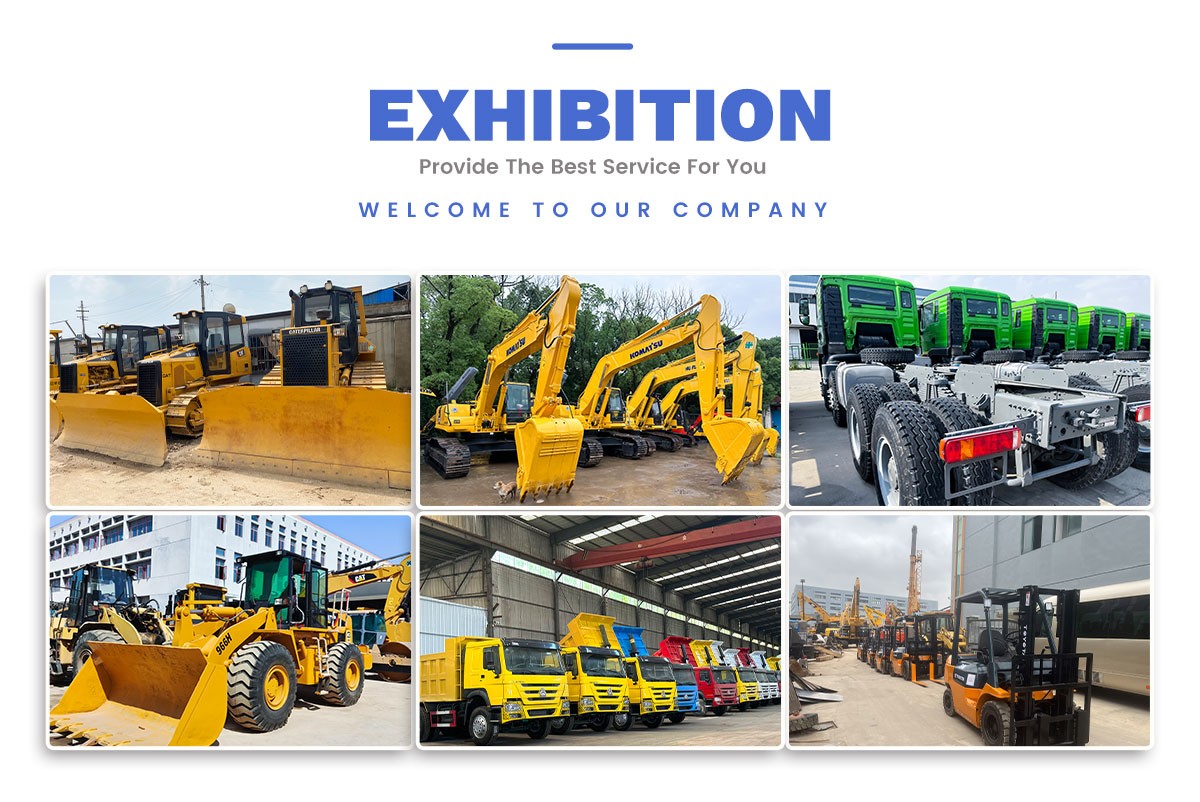
The Used Hyundai Excavator 220 is suitable for a range of civil, commercial and industrial tasks. Typical applications include:
Excavation and foundation work: trenching and digging for footings and utilities.
Road and site preparation: grading, material handling and loading trucks.
Demolition and clearance: selective dismantling and site cleanup with appropriate attachments.
Landscaping and utility installation: precise digging for irrigation, conduits and pipes.
Quarry and aggregate operations: loading and spot excavation when matched to task requirements.
Pre‑Purchase Inspection Checklist
A disciplined inspection reduces risk when buying a used Hyundai excavator. Use this checklist during a site visit or arrange an independent inspection by a trained technician.
Visual structural check: Inspect boom, arm and bucket for cracks, gouges and repaired welds. Pay special attention to high‑stress areas around pin bores and the connection between boom and house.
Undercarriage wear: Evaluate track tension, links, shoes and sprockets. Measure remaining life of rollers and idlers and look for uneven wear patterns that indicate alignment or carrier problems.
Hydraulic system: Check for leaks in cylinders, hoses and fittings. Observe how quickly hydraulic oil warms up in operation and whether there are abnormal noises from the pump or valves.
Engine performance: Assess cold starts, steady idle, smoke level under load and unusual noises. Ask for service records showing regular oil changes and scheduled maintenance.
Attachment condition: Examine buckets, couplers and any hydraulic breakers or thumbs attached. Verify wear on bucket teeth, side cutters and the condition of pins and bushings.
Cab and controls: Check all gauges, lights, joysticks and switches. Ensure HVAC and safety equipment like seat belts and mirrors are present and functional.
Operational test: Run the machine through full functions. Inspect swing, travel speed, creep range and combined operation to reveal any performance degradation.
Documentation: Request maintenance logs, repair invoices and any available service bulletins. Confirm serial numbers and the machine's service history to validate hours and past ownership.
Maintenance Practices to Prolong Life
Proper maintenance extends the useful life of a used Hyundai excavator and preserves resale value. Key practices include:
Scheduled fluid changes: Regular engine oil, hydraulic oil and coolant replacement per manufacturer intervals to prevent accelerated wear.
Filter service: Timely replacement of fuel, air and hydraulic filters to protect internal components.
Greasing points: Daily or weekly greasing of pins and bushings depending on duty cycle to maintain smooth articulation and prevent premature play.
Track and undercarriage management: Keep proper track tension, clean debris to avoid accelerated wear and rotate components when applicable.
Attachment inspection: Monitor wear on buckets, teeth and couplers; replace consumables before they damage structural components.
Operational Best Practices
Maximize productivity and reduce operating costs by training operators and establishing site procedures:
Match digging technique to soil type to reduce stress on the boom and pins.
Avoid boom‑down swinging with heavy loads; instead, transport loads low and close to the chassis when required to improve stability.
Use appropriate attachments for the task and refrain from improvised adapters that create unsafe load paths.
Monitor machine telemetry and service alarms where available to address developing issues early.
Valuation and Pricing Considerations
When valuing a used Hyundai excavator, buyers and sellers should weigh several factors beyond mere hours on the meter. Typical considerations include:
Maintenance history: A consistent maintenance record with parts receipts typically commands a premium over undocumented machines.
Undercarriage condition: Given the cost of undercarriage rebuilds, remaining life here heavily influences price.
Geographic and seasonal demand: Regional demand for used Hyundai excavators and seasonal construction cycles can affect market pricing.
Attachment packages: Bundled buckets, thumbs or hydraulic breakers increase machine utility and resale value.
Transport, Logistics and Delivery
Moving a used Hyundai excavator requires planning and compliance with local transport regulations. Consider the following:
Verify oversize transport permits if width or weight exceed standard limits.
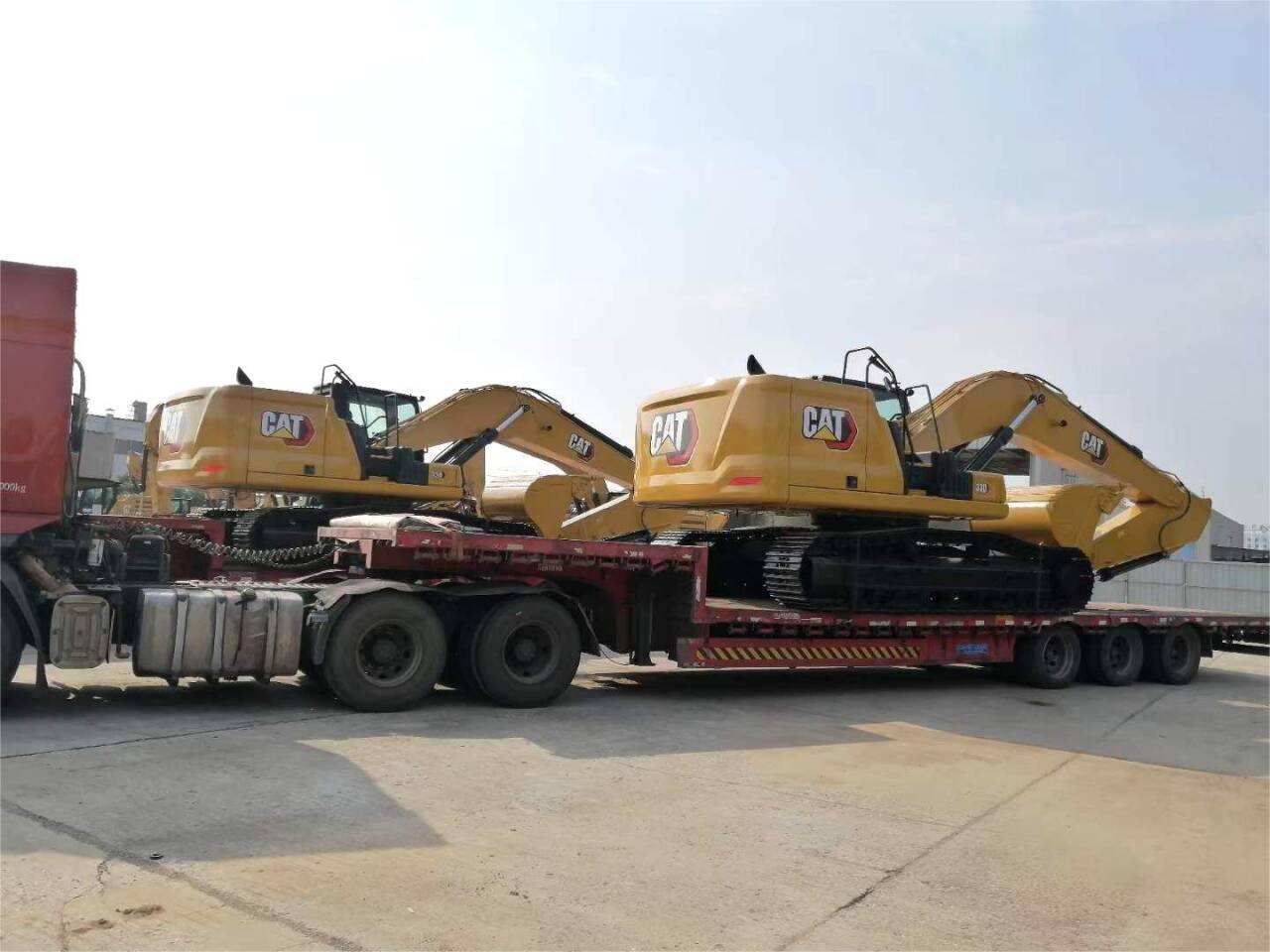
Secure proper loading equipment—lowbed trailers are typically used for the 220 class.
Plan for safe on/off loading, using ramps or ground access suitable for the machine's center of gravity.
Safety and Regulatory Compliance
Safety is paramount. Even for used Hyundai excavators, ensure compliance with local workplace regulations and manufacturer safety recommendations. Key checks include:
Functional emergency stops, backup alarms and lighting.
ROPS/FOPS cab integrity and seat restraint condition.
Documentation of safety inspections and any required retrofits for site certification.
Common Questions and Expert Answers
How do I assess remaining undercarriage life?
Undercarriage life is estimated by inspecting wear on sprockets, track shoes and rollers. A visual measurement of link stretch and a comparison to service limits, ideally performed by a technician, will provide a practical estimate. Avoid purchasing a machine that will require a complete undercarriage rebuild unless reflected in price concessions.
Is it better to buy a used Hyundai excavator from a dealer or a private seller?
Dealers often provide reconditioning, limited warranties and a documented service history, which reduce risk. Private sellers can offer lower prices but require more rigorous inspections and possibly negotiation for known issues. For many buyers, a dealer purchase balances cost and assurance.
How important are service records?
Service records are essential. They demonstrate routine maintenance and help validate the machine's operational history. A used Hyundai excavator with well‑kept documentation is easier to finance, resell and maintain over its remaining life.
Attachment Options and Their Impact
Selecting appropriate attachments expands the versatility of a used Hyundai excavator. Consider:
Buckets: General purpose, heavy‑duty rock buckets and grading buckets each affect cycle times and wear differently.
Hydraulic breakers: Increase demolition capability but introduce higher hydraulic and brokered stress to the machine.
Thumbs and grapples: Improve material handling efficiency for demolition and landscaping tasks.
Lifecycle Cost Management
When purchasing a used Hyundai excavator, evaluate the total cost of ownership, not just the purchase price. Estimate annual maintenance, expected fuel consumption based on duty profile, and likely replacement intervals for high‑wear items. A moderately higher purchase price for a machine with documented service and lower projected repair costs can deliver better long‑term value.
Why Choose a Used Hyundai Excavator 220?
The used Hyundai excavator 220 class is often chosen because it offers a balance between reach and power suited to a broad range of tasks. Buyers value Hyundai machines for their reasonable parts availability, competitive purchase price relative to some other brands, and a reputation for durable construction when properly maintained. For many fleet managers, a used Hyundai excavator represents a pragmatic investment that supports diverse jobsite needs while controlling capital expenditure.
Negotiation Tips and Purchase Terms
Approach negotiations with clear inspection evidence and knowledge of market comparables. Key terms to clarify include:
Warranty or limited reconditioning agreements if buying from a dealer.
Conditions of sale regarding existing hydraulic or structural defects discovered within a defined period.
Transport responsibilities and who bears costs for getting the machine to your site.
Final Checklist Before Delivery
Confirm the machine matches the agreed serial number and configuration.
Ensure agreed repairs or part replacements are completed and documented.
Obtain all keys, manuals and service records.
Agree on delivery logistics and inspect loading/unloading procedures with the transporter.
Conclusion
A thoughtful purchase of a used Hyundai excavator, particularly in the 220 class, can provide reliable performance across many construction and civil applications. Prioritize a methodical inspection, validate service history, and align attachments and operator training with the intended duty cycle. Buying with due diligence preserves budget and enhances operational uptime—ensuring the used Hyundai excavator becomes a productive asset for years to come.
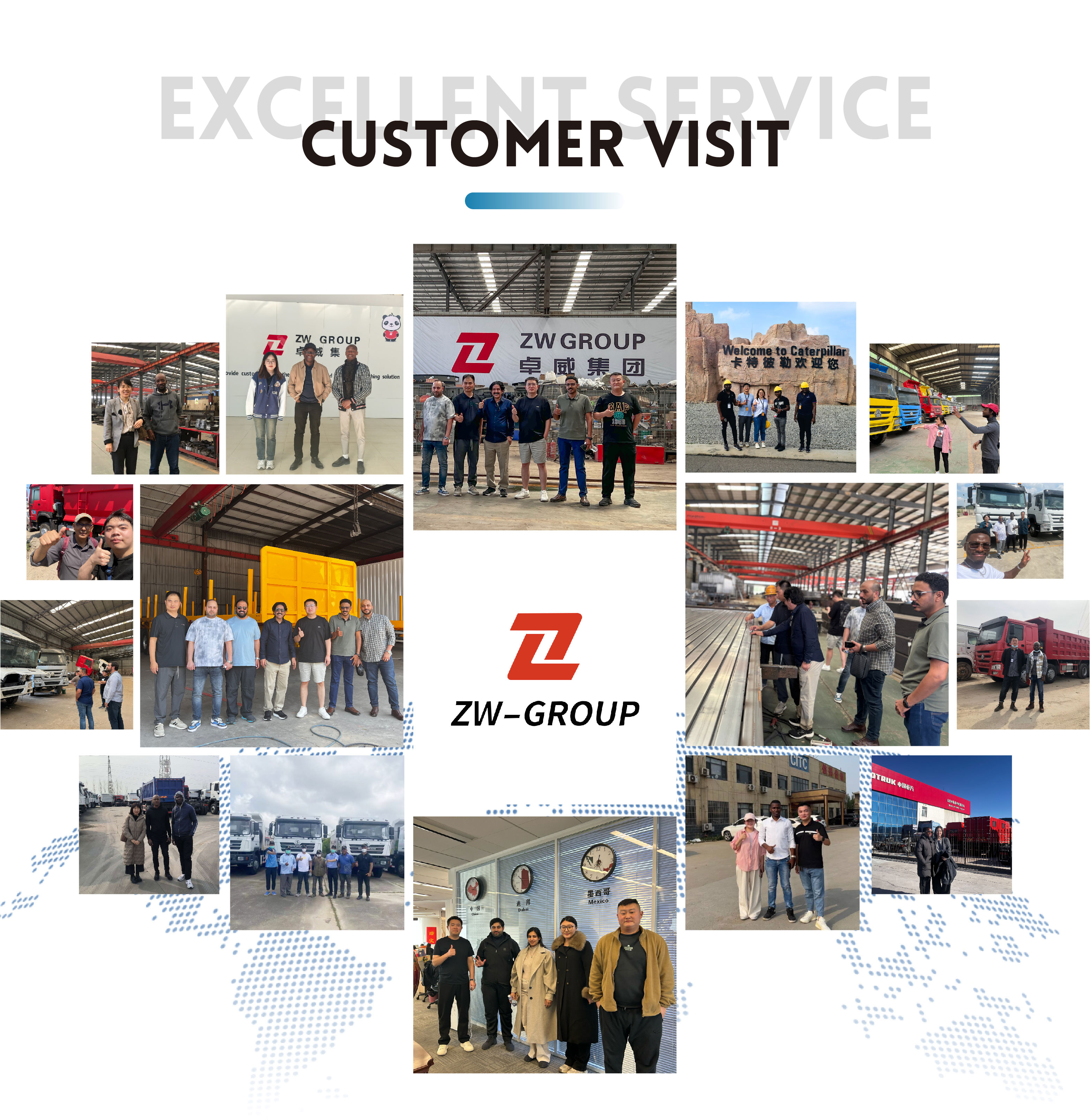
Our Factory
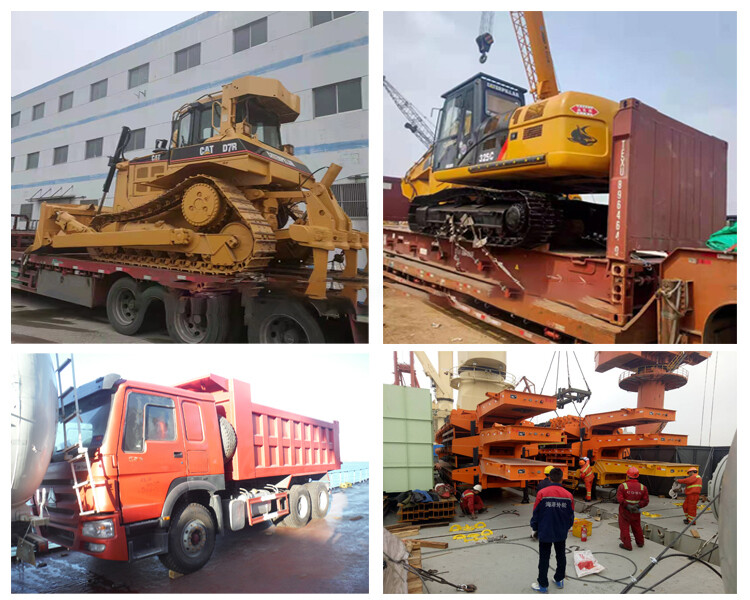
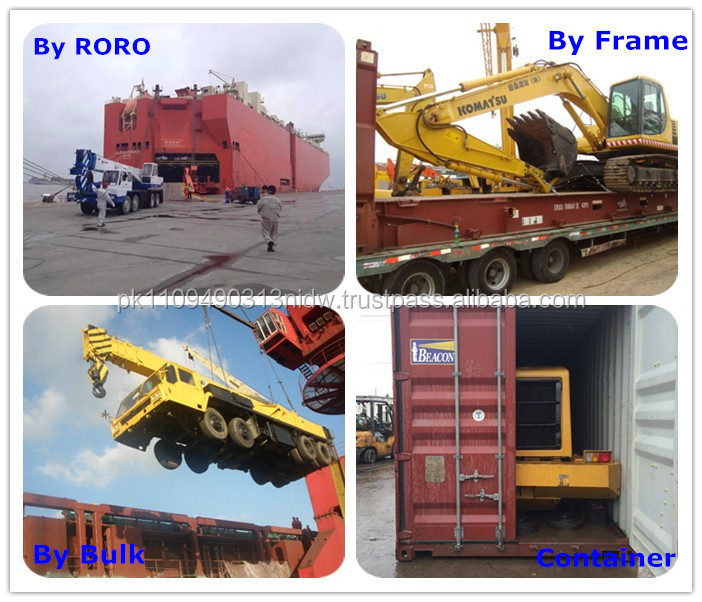
Bulk cargo, without dismantling any components, shipped as a whole. Advantage: Moderate price, complete shipment, but the product is susceptible to seawater erosion.
Container transportation is cheap and can effectively protect machinery during transportation. But to disassemble the machinery,you need to assemble it yourself after receiving the goods.
Frame container transportation is similar to container transportation, but frame containers can transport ultra-high machinery.
Ro-ro transportation. The product is in the cargo hold and has strong protection, but the price is expensive.
Online Message
* In order to respond to you quickly and accurately, please ensure that your contact information is accurate. For phone/WhatsApp calls, please include your country code. Thank you very much!
All categories
Request A Quote?

* In order to respond to you quickly and accurately, please ensure that your contact information is accurate. For phone/WhatsApp calls, please include your country code. Thank you very much!