0000-00
Carbon Steel vs Aluminum Fuel Tanker Trailers: A Full Comparison
In the highly technical field of global dangerous goods logistics, selecting the ideal material configuration for fleet assets directly impacts operational safety and enterprise profit margins. A heavy duty carbon steel fuel tanker trailer and an optimized aluminum fuel tanker semi trailer serve as the two absolute standards within international liquid transport. Due to the fundamental differences in material chemistry, both configurations deliver highly specialized competitive advantages across structural payload capacity, capital equipment acquisition costs, and physical resilience. Choosing correctly ensures that fleet operators meet strict structural parameters while maintaining a low total cost of ownership.
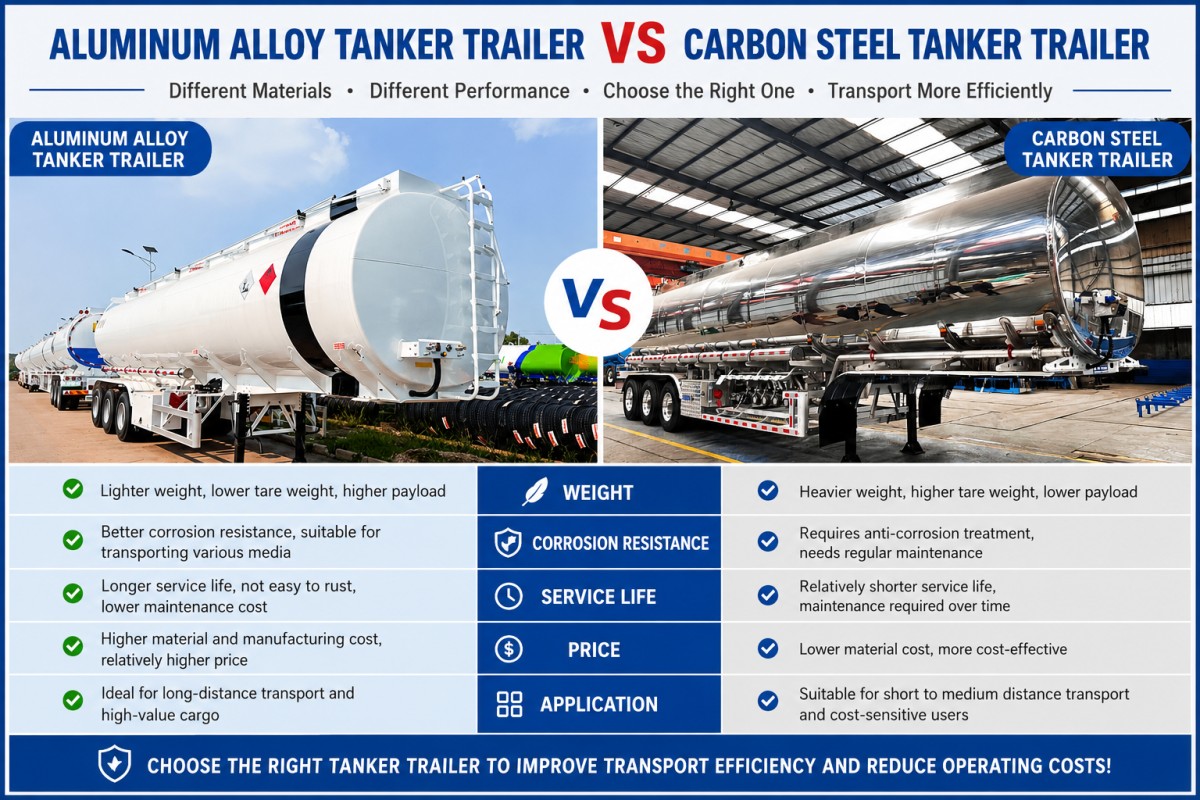
Evaluating the Physics of High-Volume Liquid Transport Trailer Assets
Every commercial liquid transport trailer operating across international road corridors must withstand immense hydrodynamic sloshing forces, dynamic braking stresses, and external environmental corrosion. While payload efficiency remains a primary driver for logistics profitability, structural integrity cannot be compromised when hauling hazardous materials. For procurement teams looking to secure standard machinery or custom setups, working with a tier-one fuel tank semi trailer manufacturer like ZW Vehicle Group helps align vehicle specifications with regional Gross Vehicle Weight Rating (GVWR) restrictions, ensuring maximum fuel volume capacity on every run.
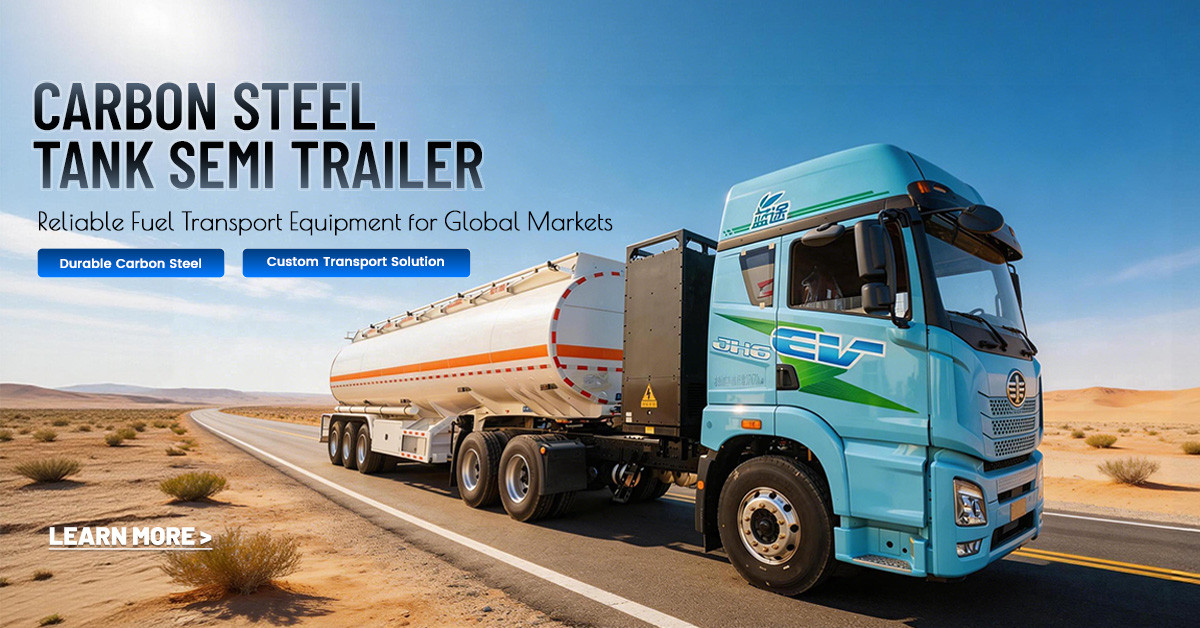
1. Carbon Steel Fuel Tanker Trailer: Rugged Strength and Proven Longevity
A heavy duty carbon steel fuel tanker trailer serves as the traditional backbone for challenging logistics lanes, mining corridors, and regions requiring maximum structural durability under extreme conditions.
Key Engineering and Operational Advantages
- High Mechanical Tensile Strength: Carbon steel exhibits remarkable yield and tensile properties. This protective structure provides high resistance to punctures, stress cracks, and structural deformation during sudden overturns or high-impact collisions, ensuring excellent containment security.
- Low Capital Acquisition Entry: The raw material and manufacturing processing costs of steel are highly economical. This provides a direct capital expenditure (CapEx) advantage for growing transport fleets or independent logistics operators aiming to fast-track asset payback schedules.
- Uncomplicated Global Repairability: Steel metallurgy is compatible with standard welding methodologies found worldwide. In distant mining hubs or trans-continental transit tracks across Africa and the Middle East, basic roadside maintenance stations can safely perform structural weld repairs without advanced technical training.
- Adaptive Material Versatility with Coatings: Although raw carbon steel reacts with moisture, deploying a specialized internal epoxy lining or anti-corrosion barrier transforms a standard heavy duty oil tanker trailer into a versatile unit capable of hauling crude oils, contaminated industrial runoffs, and chemical compounds safely.
Inherent Operational Trade-offs
- Substantial Vehicle Tare Weight: The density of steel creates a heavier unladen chassis weight, reducing the total allowable net product cargo weight in territories governed by strict highway weight restrictions.
Susceptibility to Atmospheric Oxidation: If the internal linings or external paint coats are damaged, moisture exposure leads to localized rust formation, requiring periodic inspections to prevent contamination of refined fuels.
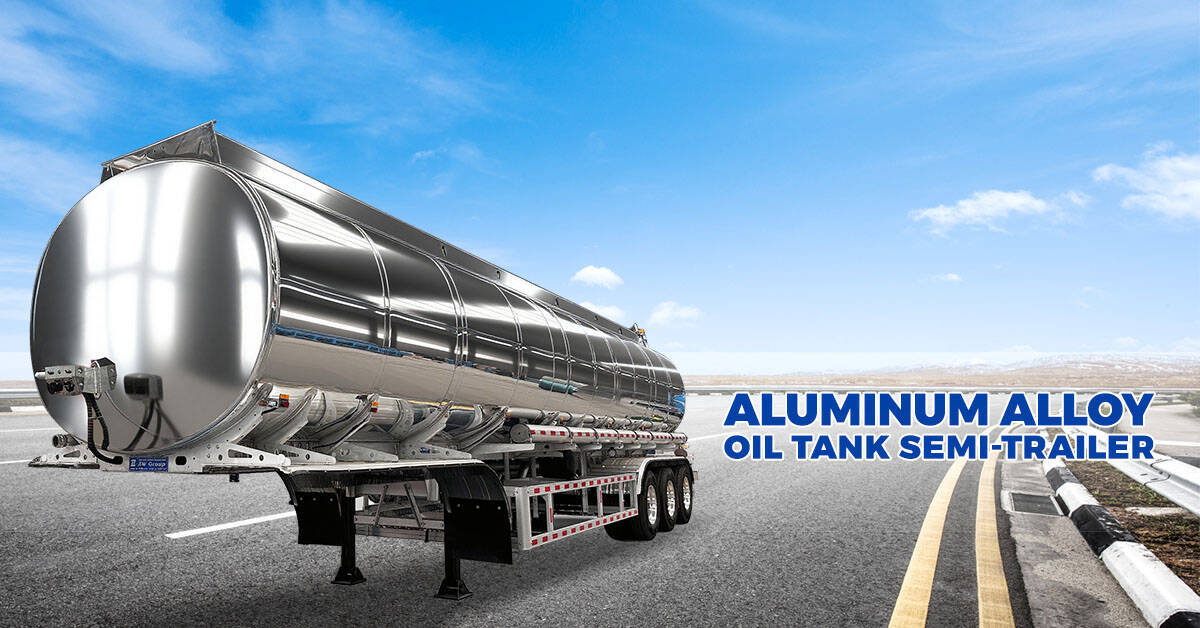
2. Aluminum Fuel Tanker Semi Trailer: Ultimate Lightweighting and Maximum Payload ROI
For modern carriers operating under strict weight monitoring frameworks, the high-tech aluminum fuel tanker semi trailer is the premier option for cutting operating costs and maximizing liquid cargo capacity.
Key Financial and Safety Advantages
- Significant Empty Weight Reduction: Because aluminum alloy has roughly one-third the weight density of iron, an aluminum transport unit typically saves 2 to 3 metric tons of tare weight compared to a steel trailer of equal size. This delivers clear performance advantages:
- On Empty Transit Legs: Drops overall fuel consumption and limits tire tread degradation across the fleet.
- On Full Cargo Hauls: Empowers operators to carry up to 3,000 liters of additional fuel per load, driving up top-line freight revenue.
- Natural Oxidation Protection: Aluminum continuously builds a clear, self-healing aluminum oxide micro-shield when exposed to oxygen. This prevents rust, eliminating the risk of scale flaking and protecting the purity of specialized aviation fuels, ultra-low-sulfur diesel, and liquid foodstuffs.
- Elite Static Discharge Capabilities: The excellent electrical conductivity of aluminum alloys allows dangerous static charges built up during fast terminal loading cycles to route directly to ground connections, preventing dangerous static sparks.
- Energy-Absorbing Ductility: Upon vehicle impact, aluminum exhibits great structural ductility, changing shape smoothly to absorb kinetic impacts. This reduces the chance of abrupt tank tears and large-scale product spills.
- Outstanding Metal Salvage Residual Value: Once the working lifespan of the tank semi-trailer is complete, the non-ferrous tank shell commands high market prices as scrap aluminum, returning a large chunk of capital back to the business.
Inherent Operational Trade-offs
- Higher Upfront Purchase Premium: Advanced alloys and sophisticated machinery requirements mean initial procurement costs can run 1.5 to 2 times higher than traditional steel tankers.
Specialized Welding Infrastructure Requirements: Structural repairs cannot be performed via standard arc welding. Fixing aluminum demands precise TIG/MIG pulse welding configurations and highly trained technicians, making impromptu field repairs difficult in remote regions.
3. Comparative Technology Matrix: Steel vs. Aluminum
To assist international logistics directors and procurement committees in analyzing core asset performance indicators, the engineering desk at ZW Vehicle Group has detailed this complete comparison table:
4. Strategic Sourcing Guide: Matching Materials to Global Transport Realities
As a premier global fuel tank semi trailer manufacturer, ZW Vehicle Group recommends basing your equipment selection on regional road infrastructure, local workshop capability, and operational weight laws:
Conclusion: Partner with an Expert Tanker Manufacturer
Ultimately, neither carbon steel nor aluminum is universally superior; instead, they cater to distinct operational requirements. Matching your regional road conditions against your asset weight efficiency goals will point you to the most profitable investment for your company. To request specialized tank load layouts, custom axle setups, and tailored factory pricing, contact the engineering team at ZW Vehicle Group to ensure your transport assets remain safe, durable, and highly productive.
NAVIGATION
MESSAGE
Request A Quote?

* In order to respond to you quickly and accurately, please ensure that your contact information is accurate. For phone/WhatsApp calls, please include your country code. Thank you very much!